

Resolving Issues on the First Call: Effective Strategies
First Call Resolution (FCR) is one of the most important metrics for evaluating the quality of an MD Call Center. Higher FCR rates reduce repeat calls, improve customer satisfaction, and optimize operating costs. However, achieving a high First Call Resolution (FCR) rate requires clear and effective strategies. Here are the methods that really work.

1. Provide Specialized Problem-Solving Training
- Agents should receive training to:
- Analyze the situation quickly
- Understand your customers' real needs
- Make effective decisions. The more skilled your agents are, the more likely they are to resolve requests without transfers or callbacks.
2. Use Flexible, Non-Restrictive Scripts
- A good script serves as a guide rather than a constraint.
- Flexible scripts allow agents to:
- Adapt to the situation;
- Communicate naturally;
- Provide personalized solutions. This significantly increases the chances of resolving your request on the first call.
3. Provide an Up-to-Date Knowledge Base
- A clear, well-structured, and regularly updated knowledge base helps agents to:
- Find the information they need quickly;
- Avoid errors;
- Provide reliable answers.
- This resource is essential for resolving issues quickly and efficiently.
4. Strengthen Collaboration Between Teams
- Resolving an issue on the first call often depends on coordination between multiple departments.
- Set up:
- Fast communication channels;
- Smooth escalation procedures;
- Available internal support teams.
- This helps avoid unnecessary transfers and speeds up decision-making.
5. Analyze Repeat Calls to Identify Failures
- By analyzing repeat calls, you can identify:
- Unresolved issues;
- Process gaps;
- Missing or poorly communicated information.
- Correcting these issues will automatically improve your FCR.
6. Simplify Processes and Reduce Complex Steps
- If the steps are too long or too complex, it is often difficult to resolve the issue quickly.
- By automating certain processes or simplifying procedures, agents can act more quickly and efficiently.
7. Give Agents Controlled Autonomy
- By giving agents greater autonomy (within defined limits), they can:
- Resolve simple issues on their own;
- Avoid transfers;
- Increase efficiency.
- Autonomy improves FCR and enhances customer satisfaction.
conclusion
Resolving issues on the first contact requires a combination of expertise, the right tools, streamlined processes, and effective collaboration.
With the right strategies in place, call centers can reduce repeat calls, build customer trust, and deliver a smoother and more satisfying customer experience.
Why Continuous Feedback Is Better Than Annual Performance Reviews
Many call centers still use annual performance reviews as their primary performance management tool. However, this method quickly reaches its limits, as it is often too disconnected from day-to-day operations, lacks responsiveness, and creates anxiety among agents. In contrast, continuous feedback in call centers has become a much more effective, modern, and motivating practice. Continuous feedback allows managers to monitor agent performance regularly, correct mistakes quickly, and improve skills immediately. By adopting continuous feedback, call centers create an environment of ongoing support, enabling agents to improve rapidly while staying motivated.

1. Immediate Skills Improvement
- Continuous feedback allows issues to be addressed as soon as they arise. This enables agents to:
- Understand more quickly;
- Apply improvements immediately;
- Achieve visible progress.
- Agents do not have to wait months to identify areas for improvement.
2. More Natural Communication Without Stress
- Annual reviews are often perceived as stressful. In contrast, regular feedback creates:
- An open dialogue;
- Smooth communication;
- A trusting relationship between managers and agents.
- It becomes a support tool rather than a judgment.
3. Strengthen Agent Engagement
- Frequent feedback shows agents that their work is being monitored and valued. This improves:
- Their motivation;
- Their sense of purpose;
- Their commitment to achieving the call center’s goals.
- Regular feedback fosters a genuine sense of belonging.
4. Respond Quickly to Issues
- By identifying problems as they occur, managers can:
- Intervene before the situation worsens;
- Provide appropriate solutions;
- Adjust objectives when necessary.
- Continuous feedback helps prevent failures instead of discovering them afterward.
5. Increase Transparency and Clarify Expectations
- Regular follow-up allows agents to know exactly:
- What is expected of them;
- Where they stand;
- What they need to improve.
- This clarity helps avoid the misunderstandings that often arise during annual performance reviews.
6. Build a Culture of Continuous Improvement
- Continuous feedback encourages:
- Lifelong learning;
- Sharing best practices;
- Gradually improving skills.
- This creates an environment where growth happens continuously and naturally.
7. Achieve Measurable Results More Quickly
- Regular adjustments lead to faster performance improvements.
- Call centers generally experience:
- Better communication quality;
- Improved KPIs;
- Reduced stress related to performance evaluations.
- Results become visible in the short term.
conclusion
Continuous feedback is more than just a replacement for annual performance reviews—it is a cultural shift. It leads to faster improvement, healthier communication, and stronger team motivation. MD Call Center call centers that adopt this approach create a dynamic and transparent environment focused on sustainable performance.
10 Mistakes That Reduce Customer Satisfaction
In a market where customers are becoming increasingly demanding, customer satisfaction has become a key performance indicator. Customer satisfaction mistakes in MD Call Center call centers can easily ruin the customer experience, cause disappointment, and damage a company's reputation. Once these customer satisfaction mistakes in call centers are identified, it becomes much easier to avoid them and ensure optimal, long-lasting service quality.
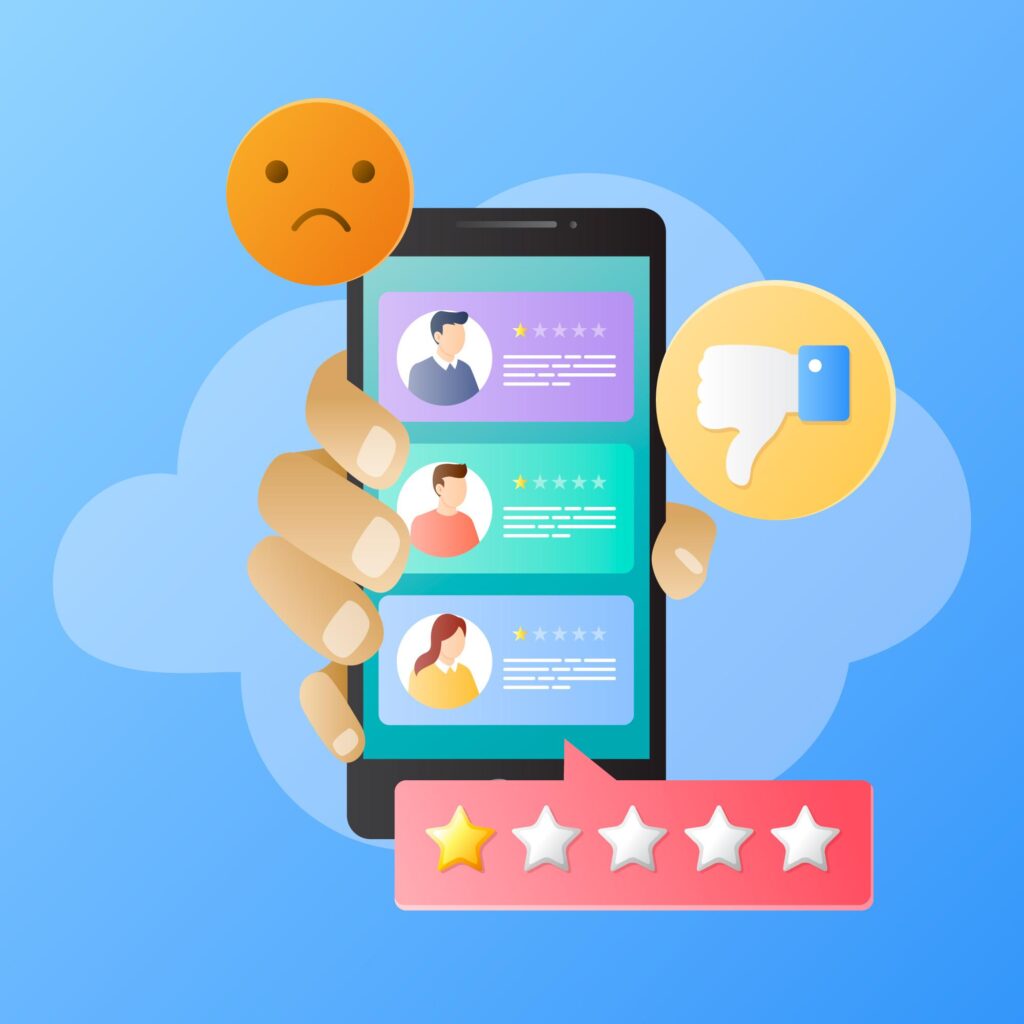
1. Waiting Time Is Too Long
- Excessive wait times to reach an agent are one of the main causes of customer dissatisfaction.
- Customers expect quick responses, especially when dealing with urgent issues.
2. Lack of Active Listening
- When agents do not allow customers to speak or frequently interrupt them, customers feel ignored.
- Active listening is essential to accurately understand customer needs and build trust.
3. Lack of Empathy
- Technically correct but emotionally cold responses leave a negative impression.
- Customers want to feel understood, especially in sensitive situations.
4. Incomplete or Incorrect Information
- Poor communication often leads to repeat calls, frustration, and wasted time.
- Accuracy and clarity are essential to satisfying customers from the very first contact.
5. No Follow-Up
- Failing to reassure the customer or check the progress of their case after the call can make them feel that their request is not a priority.
- Follow-up builds trust and shows that the company genuinely cares.
6. Lack of Personalization
- Treating customers like numbers instead of individuals creates an impersonal experience.
- Personalization strengthens relationships and significantly increases customer satisfaction.
7. Multiple Transfers
- Being transferred from one department to another is extremely frustrating.
- It creates the impression of poor internal organization and greatly increases customer irritation.
8. Lack of Clear Solutions
- Customers expect clear answers, not vague explanations.
- Agents should be able to offer realistic solutions, even if they involve delays.
9. Inappropriate Tone
- A tone that is too harsh, robotic, or unprofessional can ruin the conversation.
- The tone should always be adapted to the customer's emotional state.
10. Failure to Take Responsibility
- Saying things such as "It's not our fault" or "That's not my department" creates a negative impression.
- Customers expect a proactive approach and complete support.
conclusion
Avoiding these mistakes is essential to delivering a smooth, enjoyable, and memorable customer experience. By training agents, improving processes, and strengthening listening skills, companies can significantly increase customer satisfaction and loyalty.
Strategies to Reduce Sustainable Sales
Reducing employee turnover in MD Call Center call centers is one of the biggest challenges facing the industry today. High attrition rates are costly, time-consuming, and directly impact service quality while reducing the productivity of both teams and the organization as a whole.
However, through consistent and well-structured actions, reducing employee turnover in call centers can be achieved sustainably by improving employee engagement and strengthening team stability.

Find the Most Effective Strategies to Stabilize and Retain Your Team
1. Hire the Right Profile from the Start
- Reducing employee turnover begins during the recruitment process.
- The following qualities should be prioritized:
- Customer-oriented profiles;
- Strong stress management skills;
- Clear communication;
- Strong team spirit.
- Targeted recruitment helps prevent early employee departures.
2. Provide Comprehensive and Progressive Training
- Well-trained agents are more confident and more effective.
- Effective training includes:
- Structured courses;
- Practical workshops;
- Individual coaching;
- Realistic call simulations.
- Training is an investment, not an expense.
3. Provide Continuous Support
- Agents who feel supported are more likely to stay.
- Managers play a central role by:
- Providing regular feedback;
- Recognizing employees' efforts;
- Being available to answer questions;
- Helping overcome challenges.
- Support reduces feelings of isolation and disengagement.
4. Create a Motivating Work Environment
- A positive work environment significantly reduces employee turnover.
- This can be achieved through:
- A positive workplace atmosphere;
- Supportive management;
- Transparent communication;
- Recognition of achievements.
5. Offer Real Career Development Opportunities
- Career stagnation is one of the main reasons employees leave.
- Agents should see clear opportunities for advancement, such as:
- Trainer positions;
- Supervisor roles;
- Quality Analyst positions;
- Cross-functional roles.
- Clear career paths help retain talent.
6. Offer a Fair Compensation Policy
- Fair and transparent compensation is essential.
- Bonuses based on realistic KPIs;
- Attractive employee benefits;
- Financial recognition of performance.
- Compensation is not everything, but it is an important factor.
7. Promote Work-Life Balance
- Irregular work schedules can affect employee well-being.
- To reduce fatigue and improve retention:
- Plan shifts fairly;
- Avoid last-minute schedule changes;
- Offer as much flexibility as possible.
conclusion
Combating employee turnover is not about a single action but a series of consistent efforts. By investing in training, support, motivation, and employee benefits, call centers can build stable, engaged, and high-performing teams.
Employee retention is the true driver of sustainable growth.
Resolving Issues on the First Call: Effective Strategies
First Call Resolution (FCR) is one of the most important metrics for evaluating the quality of an MD Call Center. A high FCR rate reduces repeat calls, improves customer satisfaction, and optimizes operating costs. Achieving a high First Call Resolution (FCR) rate requires clear and effective strategies to resolve customer issues during the very first interaction.

Here are the methods that really work.
1. Provide Specialized Problem-Solving Training
- Agents should receive training to:
- Analyze situations quickly and understand customers' real needs;
- Make effective decisions. The more skilled your agents are, the more likely they are to resolve requests without transfers or callbacks.
2. Use Flexible, Non-Restrictive Scripts
- A good script serves as a guide rather than a constraint.
- Flexible scripts allow agents to:
- Adapt to the situation;
- Communicate naturally;
- Proposer des solutions personnalisées.
- Cela augmente considérablement les chances de résoudre votre demande dès le premier appel.
3. Provide an Up-to-Date Knowledge Base
- A clear, well-structured, and regularly updated knowledge base helps agents to:
- Find the information they need quickly;
- Avoid errors;
- Provide reliable answers.
- This resource is essential for resolving issues quickly and efficiently.
4. Strengthen Collaboration Between Teams
- La résolution du problème dès le premier appel dépend souvent de la coordination entre plusieurs services. Paramètres :
- Fast communication channels;
- Smooth escalation procedures;
- Available internal support teams.
- This helps avoid unnecessary transfers and speeds up decision-making.
5. Analyze Repeat Calls to Identify Failures
- By analyzing repeat calls, you can identify:
- Unresolved issues;
- Process gaps;
- Missing or poorly communicated information.
- Correcting these issues will automatically improve your FCR.
6. Simplify Processes and Reduce Complex Steps
- If the steps are too long or too complex, it is often difficult to resolve the issue quickly.
- By automating certain processes or simplifying procedures, agents can act more quickly and efficiently.
7. Give Agents Controlled Autonomy
- By giving agents greater autonomy (within defined limits), they can:
- Resolve simple issues on their own;
- Avoid transfers;
- Increase efficiency.
- Autonomy improves FCR and enhances customer satisfaction.
conclusion
Resolving issues on the first contact requires a combination of expertise, the right tools, streamlined processes, and effective collaboration.
With the right strategies in place, call centers can reduce repeat calls, build customer trust, and deliver a smoother and more satisfying customer experience.
Strategies to Reduce Forced Sales
Employee attrition is one of the biggest challenges facing MD Call Center call centers. It is costly, time-consuming, and affects service quality by reducing the productivity of both the team and the organization as a whole. However, through systematic and coordinated actions, employee turnover in call centers can be reduced sustainably. Reducing employee turnover in call centers requires a proactive approach that includes targeted recruitment, continuous training, and a motivating work environment.

Find the Most Effective Strategies to Stabilize and Sustain Your Team
1. Optimize Your Recruitment from the Start
- Reducing employee turnover begins during the recruitment process.
- The following qualities should be prioritized:
- Customer-oriented profiles;
- Strong stress resistance;
- Clear communication skills;
- Strong team spirit.
- Targeted recruitment can help prevent early employee departures.
2. Provide Continuous Training to Build More Confident and Effective Agents
- Effective training includes:
- Structured courses;
- Practical workshops;
- Individual coaching;
- Realistic call simulations. Training is an investment, not an expense.
3. Provide Continuous Support
- Agents who feel supported stay longer.
- Managers play a key role by:
- Providing regular feedback;
- Recognizing employees' efforts;
- Being available to answer questions;
- Helping employees overcome challenges.
- Support reduces feelings of isolation and abandonment.
4. Create a Motivating Work Environment to Reduce Employee Turnover
- This can be achieved through:
- A positive workplace atmosphere;
- Supportive management;
- Transparent communication;
- Recognition of achievements.
5. Offer Real Career Development Opportunities
- Career stagnation is one of the main reasons employees leave.
- Agents should be aware of advancement opportunities, such as:
- Trainer positions;
- Supervisor roles;
- Quality Analyst positions;
- Cross-functional roles.
- Clear career paths help retain talent.
6. Offer a Fair Compensation Policy
- Fair and transparent compensation is essential.
- Bonuses based on realistic key performance indicators (KPIs);
- Attractive employee benefits;
- Financial recognition of performance.
- Compensation is not everything, but it is an important factor.
7. Ensure a Healthy Work-Life Balance to Reduce Employee Turnover
- Changing work schedules can affect employee well-being.
- To reduce and manage fatigue:
- Schedule shifts fairly;
- Avoid last-minute schedule changes;
- A well-rested team is a team that stays.
conclusion
Reducing employee turnover is not achieved through a single action but through a series of consistent efforts. By investing in training, support, motivation, and employee benefits, call centers can build stable, engaged, and high-performing teams. Employee loyalty is a true measure of sustainable growth.s
Remote Work in Call Centers: Best Practices
Remote work in MD Call Center call centers has become an essential part of modern call center operations. It helps accelerate the adoption of new technologies, reduce infrastructure costs, and increase agent flexibility.
However, it is essential to implement the right strategies to maintain optimal performance levels in a remote call center work environment.
Voici les meilleures stratégies pour réussir le travail à distance dans votre centre d’appels.

1. Build a Reliable Technology Infrastructure
- A successful remote work environment requires:
- A stable internet connection;
- High-quality telephony software or a VoIP system;
- A secure cloud platform;
- Effective collaboration tools.
- Without a solid infrastructure, performance and service quality can quickly decline.
2. Ensure Data Security
- Data security is a major concern in remote work.
- A secure VPN;
- Multi-factor authentication;
- Secure workstations;
- Strict data privacy protocols.
- These measures protect both customer information and your call center's reputation.
3. Establish Strong Communication Practices
- To avoid isolation and maintain team cohesion:
- Hold short daily meetings;
- Schedule regular one-on-one check-ins;
- Ensure supervisor availability;
- Use instant messaging tools.
- Clear and consistent communication strengthens agent engagement and motivation.
4. Monitor Performance in Real Time
- Monitoring tools allow you to track:
- Availability levels;
- Average Handling Time (AHT);
- Resolution rates;
- Compliance with schedules and break times.
- Real-time monitoring ensures effective management, even in a remote environment.
5. Provide Continuous Training
- Coaching should remain a key part of remote work.
- This can be achieved through:
- One-on-one video coaching sessions;
- Online training;
- Remote call monitoring;
- Regular feedback.
- Continuous support maintains both service quality and strong human connections.
6. Promote Employee Well-Being and Work-Life Balance
- Working from home can lead to fatigue and reduced concentration. Therefore, it is essential to:
- Establish clear work schedules;
- Encourage regular breaks;
- Provide an ergonomic workspace;
- Organize virtual team activities.
- A healthy agent is a productive agent.
7. Standardize Processes and Scripts
- Clear and easily accessible guidelines reduce errors and improve consistency.
- Standardized scripts;
- Operational guidelines;
- An internal FAQ;
- A library of best practices.
- This enables agents to work independently, even when working remotely.
conclusion
Remote work in call centers can become a real competitive advantage when it is properly structured.
With the right technology, effective communication, real-time monitoring, and continuous human support, call centers can maintain—and even improve—the quality of their service.
Implementing these best practices helps ensure productivity, customer satisfaction, and employee well-being.
The Most Important Quality Metrics
In MD Call Center call centers, service quality is essential to ensuring customer satisfaction, optimizing productivity, and building customer loyalty. But which call center quality KPIs really matter when measuring service quality? Some call center quality KPIs have been used for years, while others have become increasingly important as customer expectations and digital tools continue to evolve.
Here are the most useful quality metrics for effectively managing your call center operations.

1. CSAT – Customer Satisfaction Score
- CSAT remains one of the simplest and most widely used metrics. It measures customer satisfaction immediately after an interaction.
- Reflects the customer's immediate perception;
- Focuses on the quality of the human interaction and service provided;
- Helps identify agents or processes that need improvement.
2. NPS – Net Promoter Score
- This metric measures how likely customers are to recommend your company.
- Provides an overall view of customer loyalty and trust;
- Evaluates the long-term impact of service quality;
- Helps identify detractors and understand the reasons behind their dissatisfaction.
3. FCR – First Contact Resolution
- First Contact Resolution has become a cornerstone of modern call centers.
- A strong FCR indicates that:
- Agents have the necessary skills. Processes are efficient.
- Customers do not need to call back, reducing frustration. This KPI is closely linked to both customer satisfaction and operational performance
4. Quality Evaluation – Call Quality Assessment
- Call evaluations remain an essential performance measurement tool.
- Call evaluations remain an essential performance measurement tool.
- Courtesy;
- Understanding;
- The solution provided;
- Compliance with scripts;
- Objection handling;
- Compliance with regulatory requirements. This KPI provides an objective assessment of an agent's performance using predefined evaluation criteria.
5. Quality AHT (Not Just Traditional AHT)
- Traditional Average Handling Time (AHT) can be misleading if it encourages agents to rush calls.
- A Quality AHT measures:
- Efficient call handling;
- The ability to resolve issues effectively without making mistakes;
- The balance between call duration and service quality. It provides a balanced approach between efficiency and customer satisfaction.
6. Error / Non-Compliance Rate
- This KPI measures the accuracy and quality of the work performed.
- It is valuable because it reflects:
- Process control;
- Risk reduction;
- Brand protection;
- Overall service consistency. The fewer the errors, the greater the customer confidence.
7. Escalation Rate
- A high escalation rate often indicates:
- Limited agent autonomy;
- Poorly designed scripts;
- Préparation insuffisante,
- Insufficient training;
- Overly complex processes. Conversely, a low escalation rate generally reflects a well-managed service operation.
8. Resolution Time (Not Just Call Duration)
- Customers care more about how quickly their issue is resolved than how long the call lasts. This KPI measures the call center's ability to resolve cases quickly and efficiently.
9. Perceived Quality (Analysis of Customer Verbatim Feedback)
- Text-based customer feedback from surveys and conversation analysis provides valuable qualitative insights.
- It reveals:
- Customer pain points;
- Emotional perception;
- Emerging customer needs.
- This is a complementary but powerful KPI for understanding the real customer experience.
Conclusion
The most valuable KPIs are those that measure not only operational efficiency but also the customer experience. Combining customer satisfaction, issue resolution, interaction quality, and compliance provides a complete view for effectively driving continuous improvement.
Effective quality management relies on a balance between performance metrics and human analysis.
Key KPIs for Managing a Modern Call Center
To ensure optimal performance, MD Call Center call centers must rely on key performance indicators (KPIs) supported by clear and up-to-date metrics. These key call center KPIs help monitor operational efficiency, service quality, and customer satisfaction.
Key Performance Indicators (KPIs) measure operational efficiency, service quality, and customer satisfaction. In an environment where customer expectations are constantly evolving, understanding and monitoring the right KPIs is essential for making informed decisions.

1. Answer Rate
- The answer rate measures the percentage of incoming calls that are answered.
- It is an important KPI for evaluating the call center's availability and the team's ability to handle call volume.
- A high answer rate indicates good organization and adequate staffing.
2. Average Handling Time (AHT)
- Average Handling Time (AHT) includes:
- Talk time;
- After-call work;
- Any research.
- This is an important metric for measuring agent performance and optimizing processes.
3. Average waiting time
- Waiting time is directly linked to customer satisfaction. The lower the value,
- the faster the customer feels served.
- This KPI allows you to adjust your workforce plans and avoid disappointments.
4. First Contact Resolution (FCR)
- FCR measures your ability to resolve problems from the first contact. It reflects:
- quality of response;
- Agent control;
- Streamline internal processes.
- A good FCR reduces repeat calls and increases overall satisfaction.
5. Translation speed
- This KPI evaluates the percentage of calls that need to be transferred to another service. A high score may indicate:
- Lack of training;
- Insufficient query granularity.
- Poor script conformance.
- Less translation = more efficiency.
6. Customer Satisfaction (CSAT)
- CSAT is a key metric for measuring customer perception. This allows you to:
- Identify your strengths;
- Identify areas for improvement.
- Understand the essentials of travel.
- CSAT is easy to set up and very easy to use.
7. Net Promoter Score (NPS)
- NPS measures the likelihood that a customer will recommend your brand.
- Measure love, trust, and loyalty.
- For modern call centers, this is a strategic benchmark for brand tracking.
8. Level of absence
- Call centers are very sensitive to team availability. Absenteeism rates can predict:
- Recruitment needs,
- risk of overload;
- Employee fatigue.
- Low absenteeism rates are often a sign of a good atmosphere and good management.
9. Occupancy rate
- This KPI measures the agent’s actual activity time.
- Too high a speed indicates a risk of overload.
- A score that is too low indicates insufficient size or poor organization.
- The goal is to find the right balance.
10. Call quality (monitoring)
- Listening and notes allow you to assess the actual quality of the service provided.
- They offer insights such as:
- process control;
- Empathy;
- Compliance with standards;
- Manage complex situations. This KPI drives coaching and skill development.
conclusion
Managing a modern call center requires integrating operational, human, and qualitative metrics. Key KPIs – turnover, AHT, FCR, CSAT, NPS, quality, occupancy, and absenteeism – allow you to track overall performance and quickly guide action.
These metrics allow managers to provide efficient and consistent service with a focus on customer satisfaction.
Coaching Methods That Really Work
Effective coaching in call centers is essential for improving productivity and strengthening agent skills. Personalized, data-driven coaching at MD Call Center enables long-term results and helps optimize team performance.
However, not all coaching methods are equally effective. Some deliver fast, long-lasting results, while others have only a limited impact.
Here, we introduce a coaching approach that delivers real impact and creates meaningful, lasting improvements in agents' day-to-day performance.

1. One-on-One Coaching
- Every agent has unique strengths, challenges, and learning styles. Personalized coaching allows you to:
- Identify specific areas for improvement;
- Set appropriate goals;
- Provide tailored guidance.
- It is one of the most effective ways to achieve visible progress.
2. Coaching Based on Call Listening and Observation
- Listening to calls, monitoring performance, and analyzing agent behavior help identify what works and what needs improvement.
- The coach can then:
- Correct communication techniques;
- Improve emotional management;
- Optimize problem-solving methods.
- Coaching based on real-life situations delivers concrete results.
3. Immediate and Constructive Feedback
- Effective feedback should be:
- Timely;
- Specific;
- Fact-based;
- Solution-oriented. Providing feedback immediately after an interaction promotes better understanding and allows for immediate improvement.
4. Coaching by Example
- Agents learn a great deal by listening to model calls and analyzing best practices.
- Practical demonstrations help them develop:
- Effective habits;
- Proper communication techniques;
- Better customer management skills.
5. Data-Driven Coaching
- Using KPIs and analytics tools, coaches can identify:
- Performance trends;
- Recurring challenges;
- Opportunities for improvement. Data-driven coaching is more objective, focused, and effective.
6. Regular and Consistent Coaching Sessions
- Effective coaching should be:
- Planned;
- Structured;
- Ongoing.
- Regular coaching sessions (weekly or biweekly) ensure continuous and sustainable improvement.
7. Positive Reinforcement
- Recognition is one of the strongest drivers of motivation. Recognizing:
- Progress;
- Successes;
- Efforts;
- helps build confidence and encourages agents to continuously improve.
conclusion
Truly effective coaching combines active listening, analysis, personalization, and continuous support. It transforms agents into more confident, skilled, and committed professionals.
Implementing these coaching methods ensures the continuous development of call center employees' skills.


